

-

Irisse Gianne Torremocha posted an update in the group
 MT 13 – GH 1 year agoBlood Cells Creatively Represented
 -

Jomil Edward S. Omandam posted an update in the group
MT 13 – GH 1 year agoBlood cells are specialized cells in the body responsible for critical functions such as oxygen transport, immune defense, and clotting. They are suspended in plasma,… -
Irisse Gianne Torremocha changed their profile picture 1 year, 1 month ago
-
Irisse Gianne Torremocha posted an update in the group
MT 13 – GH 1 year, 1 month agoTORREMOCHA | KIDNEY AND NEPHRON DRAWING -
Jomil Edward S. Omandam posted an update in the group
MT 13 – GH 1 year, 1 month ago“ Effect of the lack of access to handwashing facilities on the global burden of lower respiratory infections, 1990–2019: A systematic analysis from the global burden of disease study 2019”
Reflecting on the information about the burden of lower respiratory infections (LRIs) due to the lack of access to handwashing facilities prompts me to consi…[Read more]
-
Jomil Edward S. Omandam posted an update in the group
MT 13 – GH 1 year, 1 month agoA macroscopic drawing of a kidney would depict its bean-shaped structure, highlighting both external and internal features. The kidney is enclosed by a smooth, fibrous… -
Jomil Edward S. Omandam posted an update in the group
MT 13 – GH 1 year, 1 month agoThe nephron is the functional unit of the kidney that generates urine while eliminating waste and excess chemicals from the bloodstream. Each human kidney contains approximately 1,000,000 nephrons. The kidneys (pronephros) of primitive fish, amphibian larvae, and more advanced vertebrate embryos include the most rudimentary nephrons. The nephrons…[Read more]
-
Irisse Gianne Torremocha posted an update in the group
MT 13 – GH 1 year, 1 month ago Formation of Urine – Nephron Function, Animation. – YouTube(USMLE topics) Renal physiology – The 3 stages of urine formation. With explanation of the counter current mechanism. This video is available for instant dow…
 -
Irisse Gianne Torremocha posted an update in the group
MT 13 – GH 1 year, 1 month agoRESPIRATORY SYSTEM | Caesarean section and respiratory system disorders in newborns
Since I was born through cesarean section, I was drawn to the article I chose, “Caesarean Section and Respiratory System Disorders in Newborns.” I was interested in its effects on newborns because of this personal connection. The dangers of C-sections are examined…[Read more]
-
Jomil Edward S. Omandam posted an update in the group
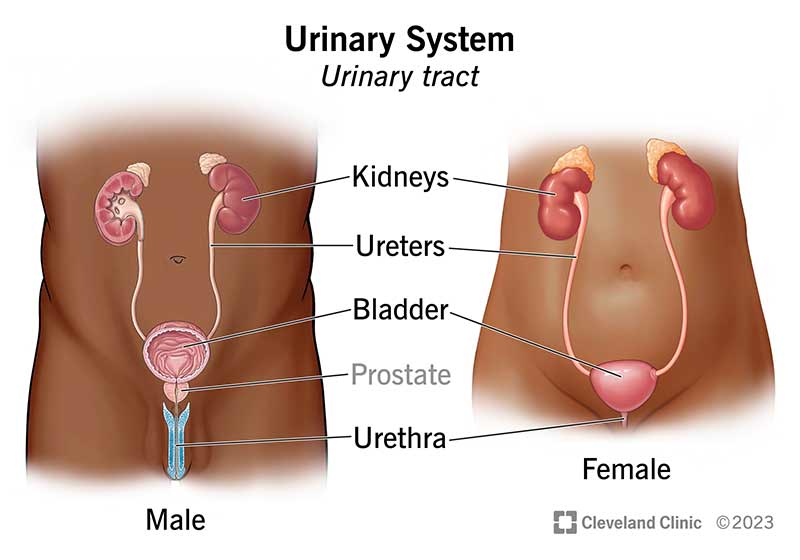
MT 13 – GH 1 year, 1 month agoThe urinary system (or urinary tract) works as your body’s filtration system. When your urinary system removes toxins and wastes from your body, it comes out as pee (urine). To be able to pee, your body must pass this waste through a series of organs, ducts and tubes.
Urinary System: Organs, Anatomy, Function & C… -
Irisse Gianne Torremocha posted an update in the group
MT 13 – GH 1 year, 1 month agoThe urinary system (or urinary tract) works as your body’s filtration system. When your urinary system removes toxins and wastes from your body, it comes out as pee (urine). To be able to pee, your body must pass this waste through a series of organs, ducts and tubes. If there’s a problem at any step in this process, it can affect if you’re able…[Read more]
-

Alek Emmanuel Garcia posted an update 1 year, 1 month ago
The respiratory system is vital for supplying the body with oxygen and removing carbon dioxide. This essential function allows trillions of cells making up the body to carry out their cellular functions.
Source:
https://www.sciencedirect.com/topics/agricultural-and-biological-sciences/respiratory-system -
Jomil Edward S. Omandam's profile was updated 1 year, 1 month ago
-
Jomil Edward S. Omandam posted an update in the group
MT 13 – GH 1 year, 1 month agoThe respiratory system is essential for delivering oxygen to the body and expelling carbon dioxide, both of which are critical for cellular function and overall health. Air enters through the nose, where it is filtered, warmed, and humidified, before traveling down the throat (pharynx) and voice box (larynx). From there, air moves through the…[Read more]
-
Irisse Gianne Torremocha posted an update in the group
MT 13 – GH 1 year, 1 month agoThe respiratory system is the organs and other parts of your body involved in breathing, when you exchange oxygen and carbon dioxide.
-
Jomil Edward S. Omandam posted an update in the group
MT 13 – GH 1 year, 1 month agoGASTROEOSOPHAGEAL REFLUX DISEASE (GERD)
Infographic Link: https://drive.google.com/file/d/18JtMYyC3stUxL6vItGPJ8w0OxzzQS_DG/view?usp=drivesdk
-
Jomil Edward S. Omandam posted an update in the group
MT 13 – GH 1 year, 1 month agoWhat are the three main differences between arteries and veins?
Primarily, arteries carry blood away from the heart, and veins carry blood towards the heart. Second, with the exception of pulmonary blood vessels, arteries carry oxygenated blood and veins carry deoxygenated blood. Lastly, arteries have thick walls with muscle tissue. Veins have…[Read more]
-
Irisse Gianne Torremocha posted an update in the group
MT 13 – GH 1 year, 1 month agoWhat are the three main differences between arteries and veins?
According to Kandola (2020), an artery carries blood away from the heart, and a vein carries blood back to the heart.
URL:
https://www.medicalnewstoday.com/articles/artery-vs-veinAccording to Petruzzello (2017), Arteries carry oxygenated blood from the heart, while veins carry ox…[Read more]
-
How are arteries and veins similar?
Veins and arteries play a major role in circulating blood. They work together to develop a cycle that transports blood from the…
-
Why are veins thinner than arteries?
Veins have much thinner walls than do arteries, largely because the pressure in veins is so much lower. Veins can widen (dilate) as…
-
Are veins bigger than arteries?
No, veins are thinner and less stretchy. This structure helps veins move higher amounts of blood over a longer time than arteries.
Reference:
https://www.webmd.com/heart/difference-between-arteries-and-veins-
What are the two types of veins?
Pulmonary and systemic veins.
Pulmonary veins. The pulmonary circuit carries deoxygenated blood from your heart to your lungs. Once…
-
Do veins have valve?
Most veins have valves that open and close. The valves control blood flow and keep your blood flowing in one direction. About 75% of your blood is in your veins.
Reference: https://my.clevelandclinic.org/health/body/21640-blood-vessels
-
-
-
-
-
-
Alek Emmanuel Garcia posted an update in the group
 MT 13 – CD 1 year, 1 month ago
Do veins have valves?
Yes, most veins have valves that is known as the valvula venosa in the TA. They help in preventing back flow to ensure that the blood will be delivered to the heart.
-
Alek Emmanuel Garcia posted an update in the group
MT 13 – CD 1 year, 1 month agoWhat are the two types of veins?
The two types of veins are pulmonary and systematic veins. Pulmonary veins carry oxygenated blood from your tissues to the heart. There are also four (4) pulmonary veins in total
Systematic veins, on the other hand, are veins that carry deoxygenated blood back to the heart. They are further divided into deeps…[Read more] - Load More




Recently Active Members





